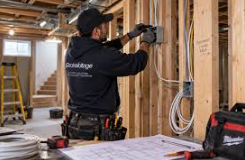

Basement renovations are a popular way for homeowners to create additional living space without expanding the exterior of their properties. A finished basement can serve as a family entertainment room, home office, guest bedroom, or recreational area. However, converting an unfinished space into a comfortable living environment requires careful attention to electrical safety, wiring conditions, and power distribution.
For Chicago homeowners, basement electrical planning is especially important because older properties may contain aging equipment, limited circuit capacity, or electrical installations exposed to moisture. Understanding these challenges can help homeowners make informed renovation decisions and maintain a reliable electricity supply.
Why Electrical Planning Matters During Basement Renovations
A basement renovation often involves installing additional electrical outlets, lighting fixtures, heating equipment, and electronic devices.
These improvements can increase electricity demand and introduce new circuit requirements.
Proper electrical planning provides several benefits:
- Supports reliable electricity distribution to renovated spaces.
- Helps prevent overloaded electrical circuits.
- Identifies deteriorating wiring and damaged components.
- Provides appropriate connections for modern appliances.
- Reduces risks associated with moisture exposure.
- Supports compliance with applicable electrical regulations.
- Helps prepare the property for future improvements.
A professional assessment before construction begins can help identify necessary electrical modifications.
Understanding Basement Electrical Requirements
Different basement layouts have different electrical needs depending on how the space will be used.
Basement Living Rooms
Finished basement living rooms commonly include lighting fixtures, televisions, entertainment equipment, and electrical outlets.
Proper circuit arrangements help support dependable operation.
Home Office Spaces
Basement offices may contain computers, monitors, printers, networking devices, and additional lighting.
Appropriate outlet placement helps reduce dependence on extension cords.
Guest Bedrooms
Guest bedrooms require suitable electrical outlets, lighting fixtures, and applicable circuit protection.
Electrical planning should consider furniture placement and anticipated equipment usage.
Laundry Areas
Washing machines, electric clothes dryers, and other laundry appliances may require dedicated electrical circuits.
Their connections must meet manufacturer requirements and applicable electrical codes.
Basement Kitchens
Properties with basement kitchens may need additional circuits for cooking appliances, refrigeration equipment, and countertop outlets.
Professional planning is important for these higher-demand installations.
Common Electrical Challenges in Chicago Basements
Basements may present electrical concerns that differ from those found in upper living areas.
Moisture and Water Intrusion
Basements can experience water exposure because of plumbing leaks, drainage problems, or heavy rainfall.
Moisture can damage electrical components and contribute to corrosion.
Aging Electrical Wiring
Older homes may contain basement wiring installed during previous construction or renovation projects.
Damaged insulation and improper connections should receive professional attention.
Limited Circuit Availability
Additional rooms and appliances may require new circuits.
Existing distribution equipment may not have sufficient space for these connections.
Insufficient Electrical Capacity
New heating systems, entertainment equipment, and appliances may increase overall electricity demand.
Professional calculations help determine whether existing infrastructure can accommodate these loads.
Improper Previous Modifications
Some basements contain electrical wiring modified during earlier renovation projects.
A qualified electrician can identify unsuitable connections and recommend necessary repairs.
Important Electrical Warning Signs Homeowners Should Recognize
Electrical problems may produce noticeable symptoms before significant equipment failure occurs.
Common warning signs include:
- Circuit breakers that trip repeatedly.
- Flickering or unexpectedly dimming lights.
- Burning odors near electrical equipment.
- Persistent buzzing or crackling sounds.
- Visible corrosion or moisture damage.
- Damaged electrical outlets.
- Unexpected electricity interruptions.
- Signs of overheating around electrical components.
These symptoms can indicate damaged wiring, overloaded circuits, deteriorating equipment, or other electrical faults.
Professional inspection is necessary to identify the underlying cause.
If electrical equipment has been exposed to flooding, homeowners should avoid touching or reenergizing it until a qualified professional determines that it is safe.
When Should Homeowners Consider Replacing Existing Electrical Equipment?
Basement renovations can increase household electricity requirements, particularly when new appliances, heating equipment, or additional circuits are introduced.
Not every renovation requires extensive modifications to the existing distribution system.
However, an electrical panel replacement Chicago service may be appropriate when existing equipment is significantly deteriorated, unsuitable for calculated electricity demand, or unable to accommodate required circuits safely.
A licensed electrician can inspect the installation and determine whether equipment replacement, circuit modifications, or other electrical improvements are necessary.
Professional evaluation helps homeowners avoid unnecessary work while addressing genuine electrical safety concerns.
Important Factors to Consider Before Basement Electrical Improvements
Careful preparation helps ensure that electrical installations support the intended use of a renovated basement.
Existing Electrical Capacity
A qualified electrician should assess the property’s current electricity requirements before additional appliances are installed.
Planned Basement Appliances
Homeowners should identify heating equipment, entertainment systems, kitchen appliances, and other devices that will require electricity.
Wiring Conditions
Damaged insulation, deteriorating connections, and unsuitable wiring arrangements should be addressed before renovation work is completed.
Outlet Placement
Electrical outlets should be positioned according to room layouts, intended activities, and applicable installation requirements.
Moisture Protection
Electrical equipment should be installed using methods suitable for basement environmental conditions.
Local Permit Requirements
Basement electrical modifications in Chicago may require permits and inspections depending on the scope of work.
Qualified professionals can help ensure compliance with applicable requirements.
How Professional Electricians Evaluate Basement Electrical Systems
Electrical inspections involve several important technical procedures.
Inspecting Existing Distribution Equipment
A qualified electrician examines circuit breakers, wiring connections, and other components for signs of deterioration.
Evaluating Electrical Loads
Professional calculations help determine whether existing infrastructure can accommodate additional basement equipment.
Reviewing Wiring Arrangements
Existing circuits are evaluated for suitability, compatibility, and potential safety concerns.
Assessing Protective Devices
Circuit breakers and other protective components should meet relevant electrical requirements.
Recommending Suitable Improvements
Based on inspection findings, electricians can recommend repairs, additional circuits, equipment modifications, or other necessary electrical work.
Electrical Safety Features for Finished Basements
Finished basement installations require suitable protective measures.
Ground-Fault Protection
Ground-fault circuit interrupters help protect against certain electric shock hazards.
These devices are particularly important in locations where moisture may be present.
Appropriate Circuit Protection
Circuit breakers must be correctly rated and compatible with the installed equipment.
Suitable Wiring Methods
Electrical conductors and wiring methods should meet applicable installation requirements.
Proper Grounding and Bonding
Grounding and bonding arrangements support electrical safety and protective device operation.
Accessible Electrical Equipment
Distribution equipment and disconnecting devices should remain accessible for professional maintenance.
Preventive Maintenance Tips for Renovated Basements
Proper maintenance helps preserve electrical equipment and reduce unexpected problems.
Address Water Leaks Promptly
Plumbing leaks and basement water intrusion should be corrected before moisture reaches electrical equipment.
Avoid Overloading Outlets
Multiple high-powered appliances should not be connected to inadequately rated circuits.
Maintain Accurate Circuit Labels
Clearly identifying basement circuits makes maintenance and troubleshooting easier.
Check for Visible Exterior Damage
Homeowners can observe accessible electrical enclosures for rust, discoloration, or damage without opening them.
Arrange Professional Inspections
Qualified electricians can identify developing electrical problems and recommend appropriate corrective measures.
Why Professional Electrical Installation Is Essential
Basement electrical installations can involve wiring located near plumbing systems, concrete surfaces, and moisture-prone areas.
These conditions require suitable equipment selection and proper installation methods.
Electrical distribution equipment may contain energized components even when the main breaker is switched off.
Attempting internal electrical repairs without appropriate qualifications can expose homeowners to electric shock, serious burns, and other hazards.
Licensed electricians have the technical training and specialized equipment necessary to complete electrical work safely.
Professional installation also helps ensure compliance with applicable Chicago electrical codes, permit requirements, and manufacturer specifications.
Long-Term Benefits of Proper Basement Electrical Planning
A properly designed electrical installation can make renovated basement spaces more functional and dependable.
Suitable circuits support lighting, appliances, heating equipment, and electronic devices without unnecessary loading.
Professional inspections also help identify deteriorating components before they cause major electrical problems.
Planning electrical requirements during renovation can reduce future modifications and support changing household needs.
Maintaining accurate installation records can also make future electrical maintenance more organized.
Conclusion
Basement renovations provide Chicago homeowners with opportunities to create additional living space and improve property functionality. However, safe and reliable electrical infrastructure is essential for supporting these improvements.
Moisture exposure, aging wiring, additional appliances, and electrical capacity limitations can create challenges that require professional evaluation.
By recognizing warning signs, planning suitable circuits, arranging qualified inspections, and maintaining electrical equipment properly, homeowners can create safer basement environments that support modern household electricity requirements.